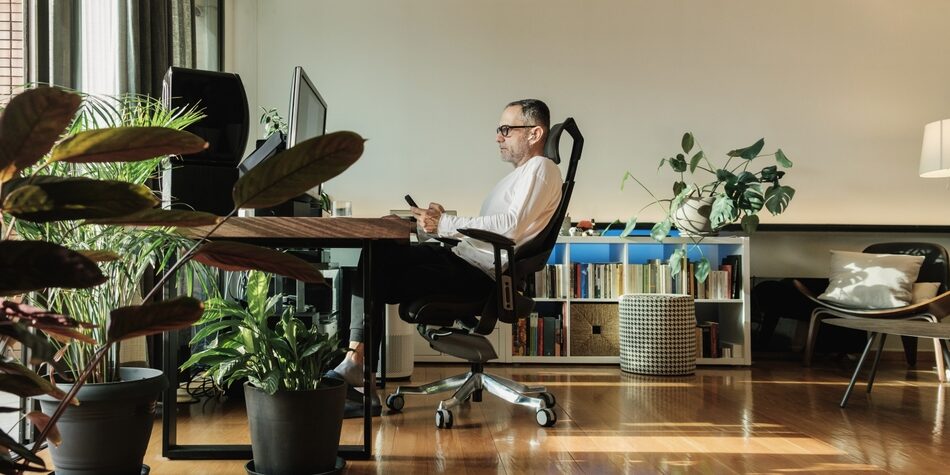
The one piece of equipment that employees use every single day is often overlooked by business owners who are preoccupied with slick conference room tables and eye-catching reception desks. Your business might lose thousands of dollars a year as a result of that oversight in ways you never could have predicted.
In addition to causing slight discomfort, a badly made or worn-out chair can result in long-term health problems like neck strain, back pain, and bad posture. These issues have a direct effect on output, increasing sick leave, medical expenses, and even employee attrition. Research continuously demonstrates the importance of workplace ergonomics for worker efficiency and satisfaction.
On the flip side, investing in quality ergonomic office chairs can pay for itself many times over. Comfortably situated workers are more productive, less likely to make mistakes, and more focused. Beyond increasing output, the correct chair demonstrates to your staff that you care about their welfare, which can improve morale and fortify corporate culture.
Consider it this way: an uncomfortable chair is a kind of unnoticed tax that depletes your company’s resources. However, a well-made, supportive chair is an investment that pays off over time, lowers liability, and improves the performance and well-being of your team.
The Real Price Tag of Poor Seating
You likely believed you were being frugal when you bought those $150 office chairs in bulk. But the real cost of subpar seating goes well beyond the initial outlay of funds. Inadequate ergonomic support has a cascading effect on all facets of your company’s operations.
Healthcare Costs Are Skyrocketing
The healthcare costs incurred by your business are the most evident hidden cost. The Bureau of Labor Statistics estimates that 38% of workplace injuries are caused by musculoskeletal disorders, with back injuries alone costing employers $50 billion a year. Workers who spend their days slumped in chairs that don’t encourage good posture end up with chronic pain conditions that need to be treated by a doctor.
Repetitive stress injuries, neck strains, and lower back pain don’t show up right away. Employees frequently endure discomfort for months before seeking treatment as the issues develop gradually. What could have been avoided with appropriate seating has developed into an ongoing health problem that needs continuous care by the time they see a doctor.
Productivity Takes a Massive Hit
Uncomfortable employees are distracted employees. Workers lose focus on their work when they are constantly shifting positions, taking frequent breaks to stretch, or coping with pain-related fatigue. After a disruption, it takes an average of 23 minutes to regain complete focus, according to research from the University of California.
Now, multiply those disruptions by the length of a workday. When an employee experiences discomfort, they may lose focus dozens of times, which can result in hours less of productive work time. A significant loss in productivity and efficiency can be attributed to the cumulative effect on your entire workforce.
When workers are uncomfortable, the quality of their work also suffers. Shorter attention spans, hurried tasks, and higher error rates become the rule rather than the exception. Over time, these problems worsen, impacting client satisfaction, project timelines, and eventually your bottom line.
Absenteeism Increases Dramatically
Compared to their comfortable counterparts, employees with chronic pain conditions miss a disproportionate amount of work. Employees with lower back pain take an average of 12 more sick days annually than those without pain, according to the American Journal of Industrial Medicine.
Presenteeism becomes an issue after the allotted sick days have passed. Presenteeism is when workers show up for work but perform at a lower level because of health concerns. Because presentees stay on the payroll but make much less contribution, studies indicate that presenteeism costs employers two to three times as much as absenteeism.
The Science Behind Ergonomic Design
Knowing the fundamentals of the human body is necessary to comprehend the significance of ergonomic chairs. When properly supported, the natural curves of your spine distribute weight evenly. These curves are forced into abnormal positions by poor seating, which results in pressure points and strained muscles.
Chronic back pain, decreased mobility, and even long-term musculoskeletal disorders can result from this stress over time. With adjustable lumbar support, seat height, and armrests to suit different body types, ergonomic chairs are made to follow these natural spinal curves. These chairs enhance circulation, lessen fatigue, and promote general workplace wellness by encouraging good posture and balanced weight distribution.
Spinal Alignment and Pressure Distribution
Ideal ergonomic chairs maintain optimal alignment from the neck to the lower back by supporting the natural S-curve of the spine. By evenly distributing body weight, this support keeps pressure from building up on particular muscle groups or vertebrae.
The lower back reverses its natural curve and rounds outward when chairs don’t provide enough lumbar support. Over time, disc compression or herniation may result from this position’s excessive pressure on the front edges of the spinal discs. Fatigue and pain result from the surrounding muscles exerting extra effort to maintain stability.
Blood Circulation and Nerve Function
Healthy blood circulation throughout the body is encouraged by appropriate seating. Blood flow to the lower legs may be restricted by pressure on the back of the thighs, which is avoided by chairs with the right seat depth and cushioning. Swelling, numbness, and increased fatigue are caused by poor circulation.
In a similar vein, chairs that require awkward posture can compress nerves, especially those in the shoulders and neck. This compression impairs typing ability and general dexterity by causing tingling, numbness, and pain that can radiate down the arms and into the hands.
What Makes a Chair Truly Ergonomic
Not every “ergonomic” office chair offers adequate support. Multiple adjustable features that suit various body types and working styles are a hallmark of true ergonomic design.
Essential Adjustability Features
- Height adjustment is the most fundamental need, but good ergonomic chairs are much more than just up-and-down chairs.
- Seat depth adjustment can accommodate varying leg lengths and avoid putting strain on the back of the knees or creating spaces between the user’s back and the chair’s lumbar support.
- Multidirectional armrest adjustments can support users’ arms without straining their necks or hunching their shoulders. The user should be able to keep their elbows at about a 90-degree angle and maintain relaxed shoulders by adjusting the armrests for height, width, and angle.
- Lumbar support should be adjusted in depth and height to accommodate each user’s unique spinal curve. Because the lumbar curve’s location and prominence differ greatly from person to person, this feature is essential.
Quality Materials and Construction
- Durability: For ergonomic chairs to continue providing support after years of use, they must be built with durability. Instead of compressing into a flat, unsupportive surface, high-quality foam keeps its firmness and shape, offering constant support.
- Breathable Textiles: Users can stay comfortable during extended work sessions by using breathable textiles or mesh materials to help control moisture and temperature. The chair’s overall effectiveness is decreased by discomfort and distraction caused by overheating and excessive perspiration.
- High-Quality Casters: The user must be safely supported by a strong base and casters that permit fluid movement. A five-point base with high-quality casters lessens the physical strain needed to move around the workspace and keeps you from toppling over.
The Business Case for Investment
High-quality ergonomic chairs have definite financial advantages when considered as an investment in productivity and health rather than as furniture. Reduced healthcare costs, higher productivity, and happier employees more than make up for the initial higher cost. Businesses searching for office furniture in Richland can see firsthand how upgrading to ergonomic chairs reduces long-term healthcare costs and boosts productivity.
Improved Employee Retention
Employees who feel at ease at work are more likely to stick around for the long haul. When you factor in hiring, training, and lost productivity during the transition, replacing an experienced worker can cost anywhere between 50% and 200% of their yearly salary.
Offering comfortable seating shows that you care about your workers’ well-being, which boosts loyalty and job satisfaction. By incorporating comfort into your employer brand, you can draw in top talent who understand the value of a positive work environment.
Implementation Strategies for Different Budgets
It’s not necessary to replace every chair at once in order to switch to ergonomic seating. Businesses can maximize impact while spreading costs through strategic implementation. Businesses can start by giving priority to workers who spend the most time seated, like customer service or administrative teams, where ergonomic upgrades will have the biggest impact on comfort and output.
Additionally, gradual rollouts allow companies to get input, assess which models work best, and make well-informed decisions about future investments. In addition to lessening financial strain, this phased approach facilitates a more seamless transition across the workplace.
Phased Rollout Approach
Start with workers in physically demanding jobs or those who spend the most time sitting down. Immediate upgrades usually benefit data entry workers, customer service agents, and administrative staff the most.
Think about setting up a chair replacement schedule that fits in with your typical furniture refresh cycle. Replace chairs when they begin to show wear or when staff members complain about their comfort rather than waiting for them to break entirely. Even specialized settings benefit, with ergonomic designs now becoming a priority in doctors office furniture in Spokane, where staff spend long hours seated while managing patient care.
The Ergonomics Guide: Features Worth Paying For
Use this quick ergonomics guide, a guide to the best ergonomic adjustments, when comparing task chairs at any workstation. A genuinely ergonomic desk chair earns its price through adjustability, not badge:
- Backrest and back support: A contoured backrest with adjustable lumbar back support, plus a recline with tension control, gives the best support for proper posture; the back of the chair should make it hard to slouch.
- Seat mechanics: Forward tilt for keyboard work, a smooth swivel, and a seat pad deep enough to support the thighs without cutting behind the knees.
- Extras that earn their keep: A headrest helps anyone on long calls, and a footrest keeps feet flat on the floor for shorter users faster than any desk change. A breathable mesh back matters in warm offices; a mesh task chair or mesh office chair runs cooler through August. If sitting in this chair for an hour changes how your shoulders feel, it is doing its job.
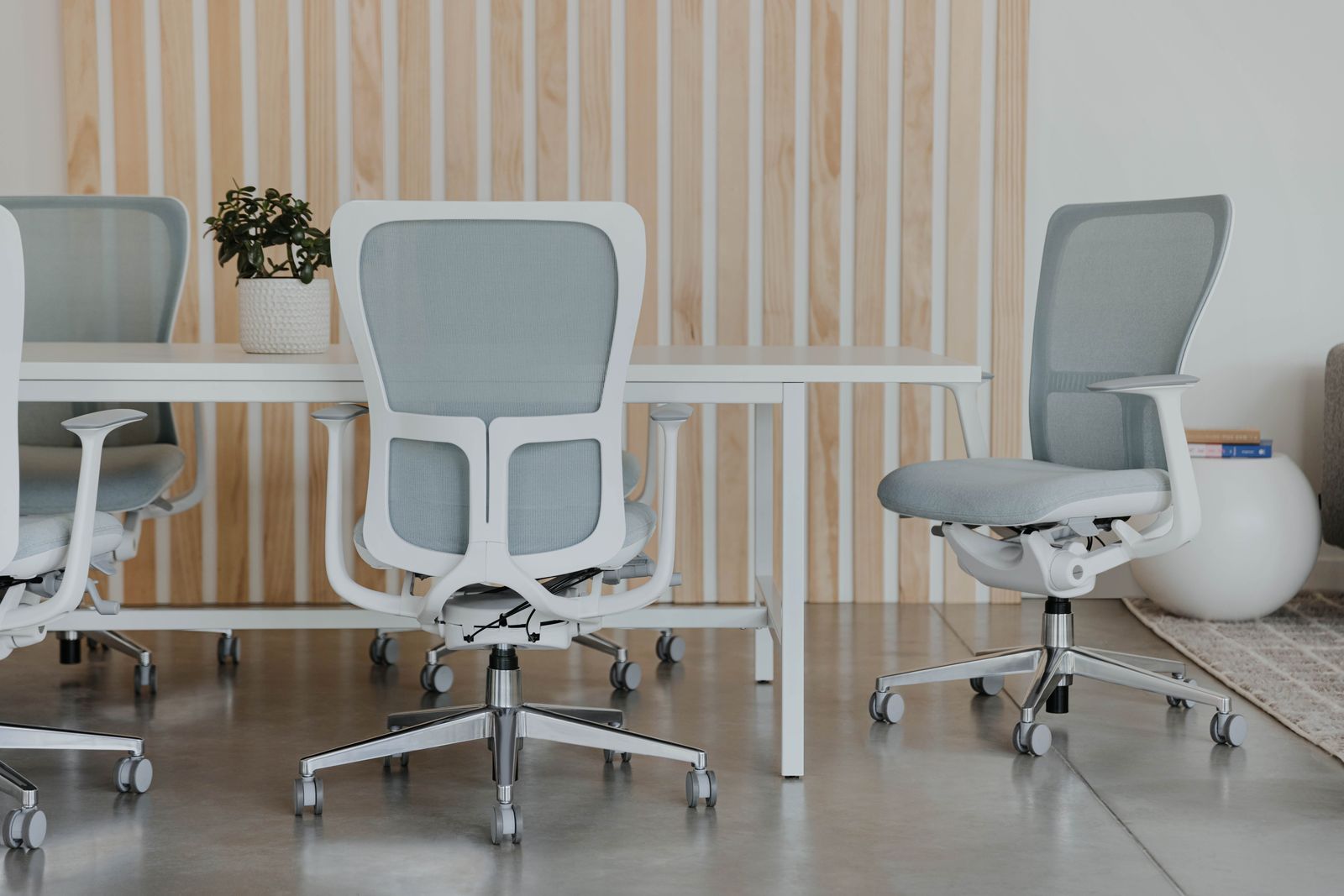
Brand context helps calibrate budgets. The Herman Miller Aeron defined the category; the Aeron chair proved companies would pay for posture, and lists of the best chairs and best ergonomic picks still lead with Herman Miller’s icon alongside its siblings, the Sayl and Mirra 2, with the HON Ignition 2.0 as the budget favorite. Haworth’s Zody, which we specify daily, competes head-on with the Aeron on ergonomics while adding bleach-cleanable options. Adjustable chairs, meaning chairs with adjustable arms, depth, and lumbar, outperform a gaming chair or a bargain desk chair in every measure that matters, in the office or the home office.
The Task Chairs We Spec Most
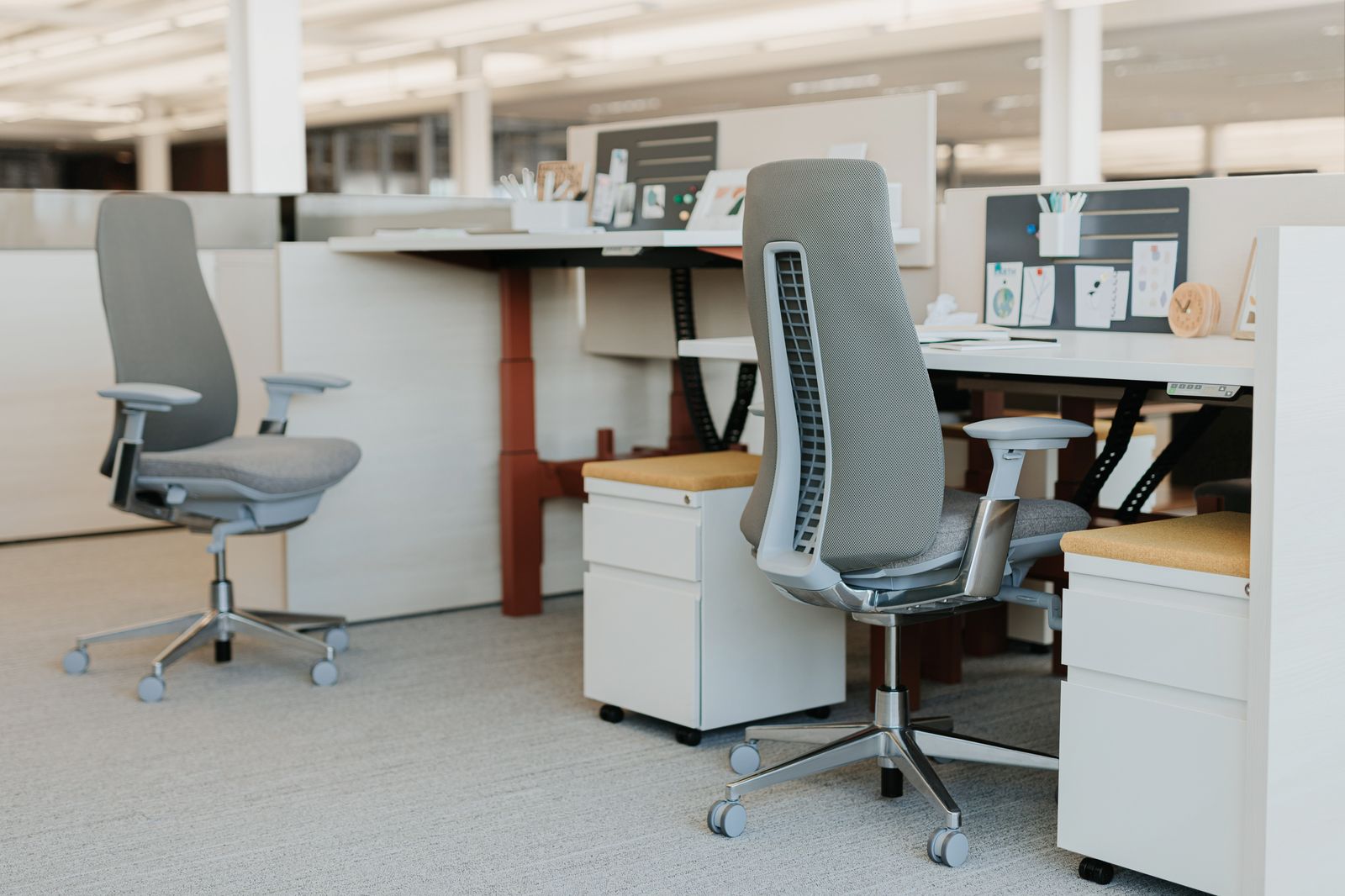
Ergonomic theory only pays off when the chair under your team delivers it every day. These are the three Haworth chairs we specify most, and why:
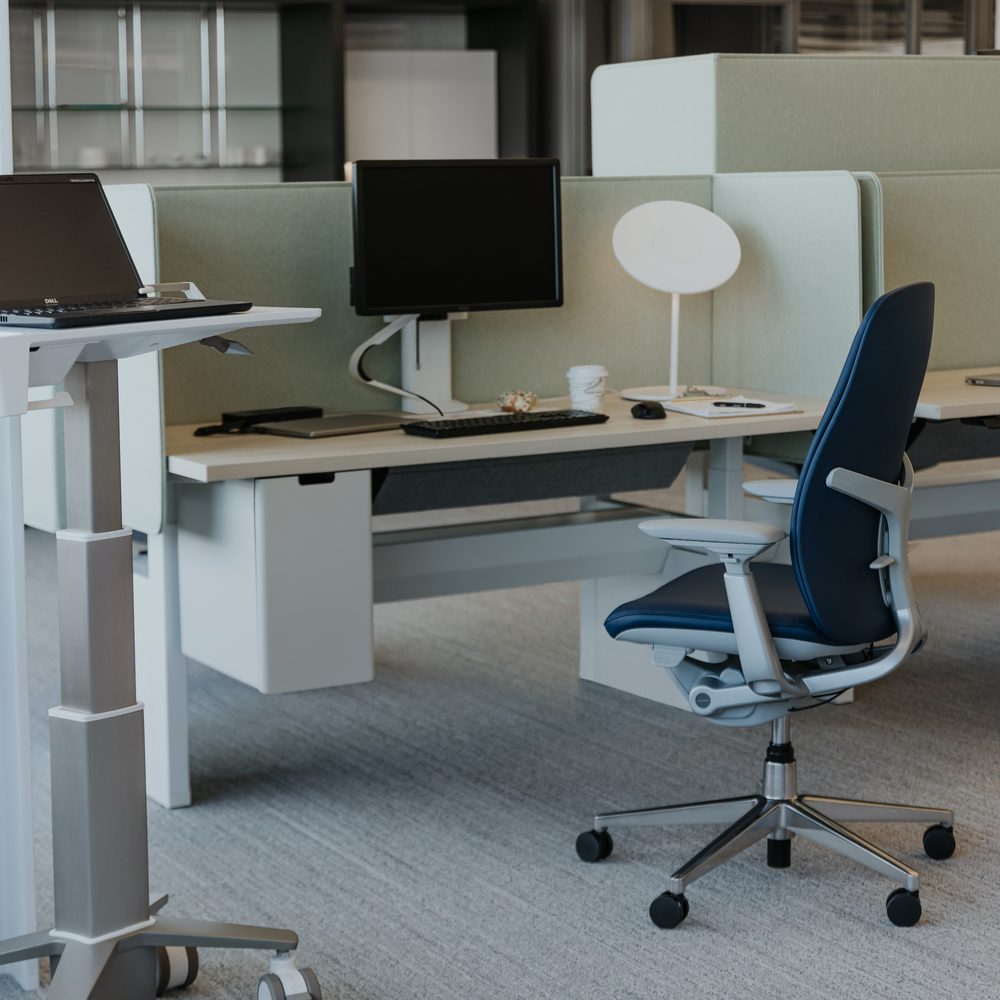
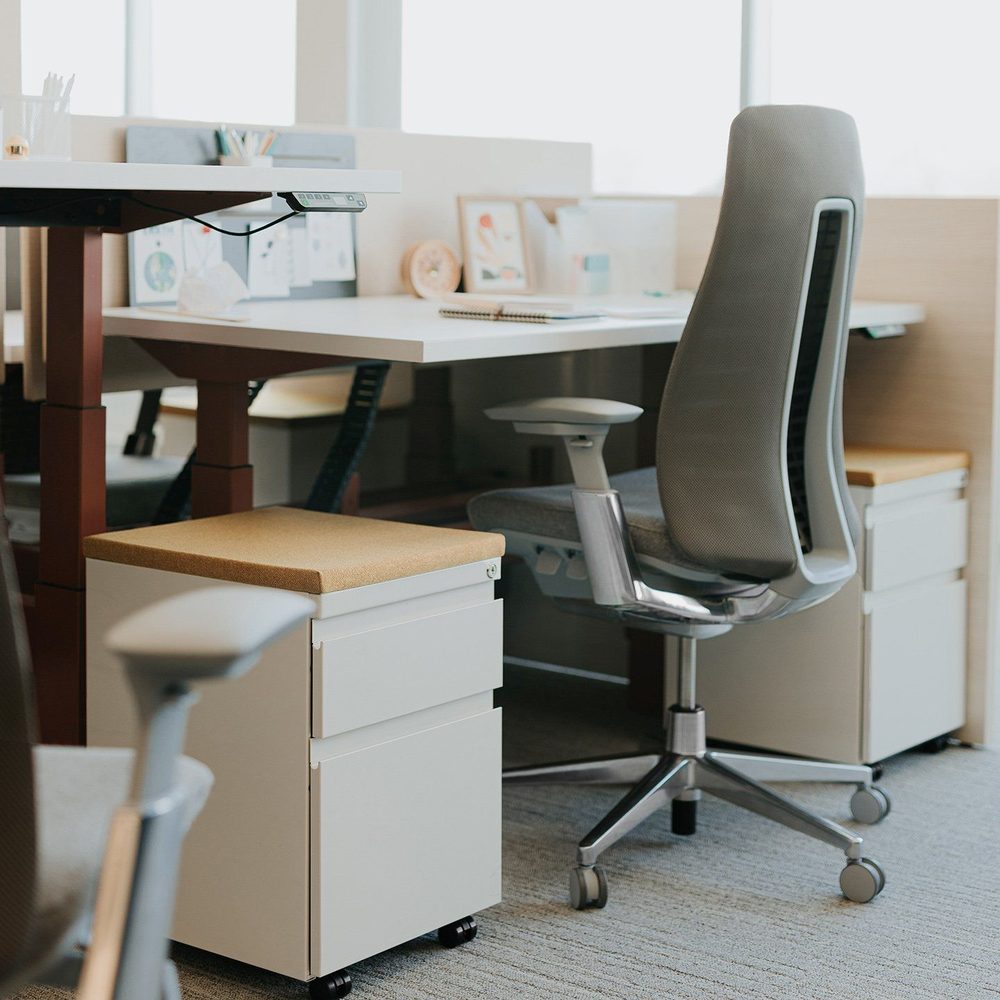
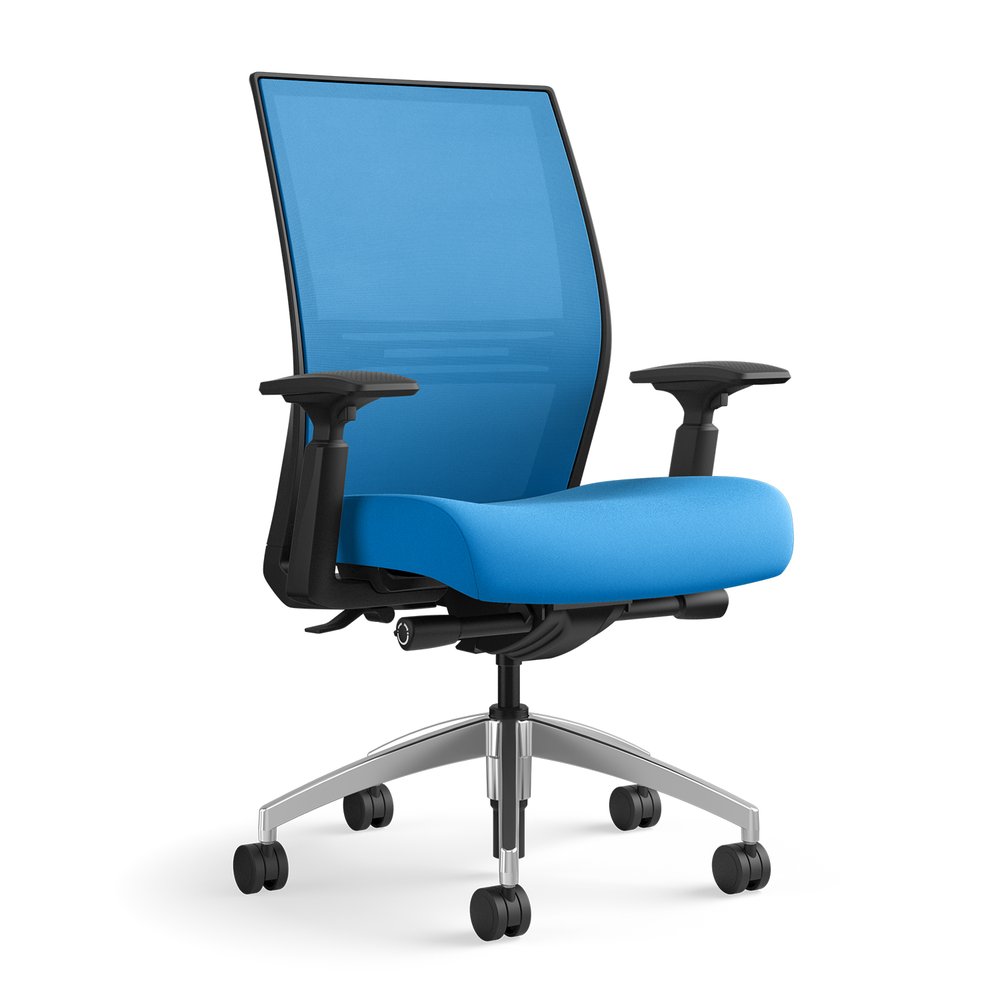
All three are sitting on our showroom floors in Boise, Spokane, and the Tri-Cities. The fastest way to know whether a chair fits your team is to put people in it, so come try them.
Measuring Success and Long-term Benefits
Use both quantitative and qualitative metrics to monitor the return on your ergonomic chair investment. Keep an eye on productivity indicators, absenteeism rates, and healthcare expenses to record the financial gains.
Feedback regarding comfort levels, job satisfaction, and perceived management support can be collected through employee surveys. Frequent check-ins show a continued commitment to employee wellbeing and aid in the early detection of any adjustment problems.
Keep in mind that the advantages of ergonomic seating accumulate over time. The long-term prevention of chronic conditions and the cumulative productivity gains create significant value for your organization, even though the initial improvements may be minor.
Bad office chairs have hidden costs that go well beyond the initial purchase price. Purchasing ergonomic seating is an investment in your employees’ long-term success, productivity, and well-being, not just in furniture. Not whether you can afford high-quality ergonomic chairs, but rather whether you can afford not to provide them, is the question.
A third of your employees’ lives are spent at work, and they spend a large portion of that time seated. One of the best investments you can make in the future of your company is to make that time comfortable and healthy. Even though a chair is hidden under the desk, it has a significant impact on your bottom line. Elevate your workplace with Freeform Spaces: invest in ergonomic seating today and give your team the comfort, health, and productivity they deserve.