Ever walked into a coffee shop and wondered if you could buy that same sturdy, cool-looking chair for your own space? You probably could, but you might be surprised by the price tag. That’s because you’re looking at commercial furniture, a different category than residential furniture. So, the big question is, which furniture is used for commercial purposes, and why is it so different? You have likely noticed that the chairs in a busy restaurant or the office desk in a corporate setting feel much heavier and more solid than furniture at home. This is not your imagination; this type of furniture is specifically built to handle constant, heavy use by hundreds of people every week.
Understanding which furniture is used for commercial purposes helps business owners make smarter, longer-lasting investments for their spaces. This guide will make selecting furniture easier by breaking down what you need to know. From planning to placement, our team handles office furniture installation in Spokane, WA, with precision, so you can focus on getting back to business without the hassle.
What Exactly Is Commercial Furniture?
At its core, commercial furniture is designed for public spaces. Think offices, restaurants, hotels, schools, and hospitals. It is built with durability and safety as the top priorities, which is why it’s also known as contract furniture. Your sofa at home might only see a few people a day. A sofa in a hotel lobby, however, could be used by fifty or more people in that same timeframe. Because of this, the construction has to be on another level, as furniture built for high-traffic areas needs to withstand more frequent use.
The differences go deep into how the furniture is crafted. The frames are often made from steel or solid hardwood instead of particleboard, which is typically common in residential furniture. The fabrics are tested for high rub counts and stain resistance, a specification you rarely see on a residential furniture tag.

Understanding Commercial Grade Standards
Have you ever seen a sticker or tag on office furniture with “BIFMA Compliant” on it? This is a huge deal in the commercial world. It’s a sign of quality and safety that informed business owners look for. The Business and Institutional Furniture Manufacturers Association (BIFMA) sets stringent safety and performance standards. A furniture manufacturer must submit its products for testing to get this certification. The furniture goes through a series of demanding tests.
For example, chairs are tested by dropping heavy weights on them and robotically simulating someone sitting down and getting up thousands of times. These rigorous standards also test the stability of an office chair to prevent tipping. Choosing BIFMA-approved furniture is smart for any business, as it means the product is less likely to break, reducing the risk of injuries and potential liability.
Which Furniture Is Used for Commercial Purposes by Industry?
The type of commercial furniture you will find depends entirely on the setting. What works for a high-end law office would be completely out of place in a bustling elementary school cafeteria. Each industry has specific needs for its furniture pieces.
In the Office Environment
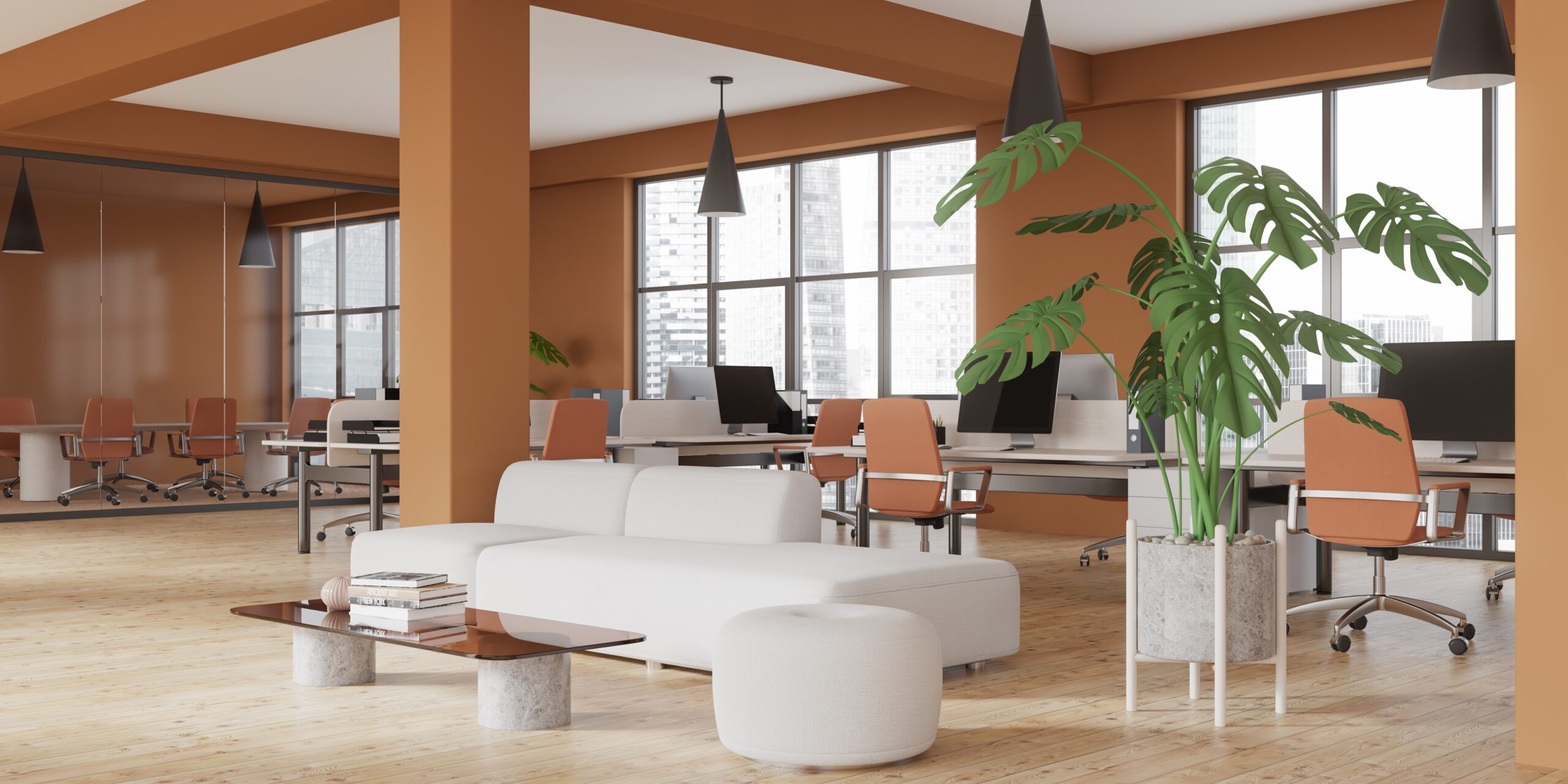
Modern office furniture focuses on boosting productivity and keeping employees comfortable. Gone are the days of just a simple office desk and a basic chair. Today’s office spaces are much more dynamic, incorporating varied furniture design to support different work styles.
You will find ergonomic office chairs everywhere. These chairs are designed to support good posture and reduce strain during long workdays. According to studies on office comfort, ergonomics can significantly cut down on workplace injuries and complaints, which is why businesses invest so heavily in them. If you’re looking to upgrade your workspace with comfort and style in mind, explore our selection of office chairs in Richland, designed to support productivity and elevate any professional setting.
Sit-stand office desks are also incredibly popular now. They give workers the choice to change their posture throughout the day, which can help with energy levels and focus. Beyond individual workstations, you will see a lot of collaborative furniture like large tables, soft seating areas, and even small pods for private calls.
For Restaurants and Cafes
Commercial restaurant furniture is all about durability and quick turnover. Restaurant chairs need to be strong enough to hold people of all sizes, day in and day out. They also need to be lightweight enough for staff to move around easily for cleaning. Tables in restaurants often have heavy-duty table bases, usually made of cast iron or steel. This prevents them from wobbling and spilling drinks on customers. Tabletops are typically made from laminate, resin table tops, or sealed solid wood because these surfaces are very resistant to scratches and spills, making for a long-lasting restaurant table.
Booths are another staple in dining establishments. They offer comfortable, private seating for groups, and businesses can choose from wood booths or upholstered styles. The upholstery is almost always vinyl or a specially treated fabric that can be wiped clean in seconds, making it perfect for a messy environment. For faster setup, many owners opt for quick-ship booths, while others may want custom booths for a specific look. A restaurant bar needs seating that can handle constant traffic. This is where high-quality restaurant bar stools come in. These bar stools are built at bar height to fit comfortably at the bar, and they often feature sturdy frames made from metal or solid wood for maximum stability.
Inside Hotels and Lobbies (Hospitality)
Hospitality furniture has a tough job. It needs to be extremely durable but also look stylish and welcoming to create a great first impression. It is a careful balance between function and appearance. In the lobby, you will see large sofas and comfortable armchairs. This upholstered furniture is built with reinforced frames and high-density foam that will not sag after just a few months of use. The fabrics are often chosen for their sophisticated look and ability to hide minor wear and tear.
The furniture inside the hotel rooms is called “casegoods.” This includes items like dressers, nightstands, an office desk, and headboards. This furniture is often finished with a high-pressure laminate that resists scratches from luggage and damage from spilled drinks, as described by experts in hospitality design. Many hotels also feature outdoor spaces, which require durable patio furniture. This can include anything from patio chairs and lounge sets to an outdoor table with commercial umbrellas for shade. This grade of furniture must withstand weather conditions while maintaining a premium look.
In Healthcare and Medical Facilities
Furniture in places like hospitals and clinics has one main priority above all others: hygiene. Every piece is selected based on how easy it is to clean and disinfect. This is critical for preventing the spread of infection. Waiting room seating is usually made with non-porous materials. You will see chairs with vinyl upholstery and metal or plastic frames. The spaces between the seat and back are often minimized to stop germs from collecting there. You will also find waiting benches, which offer simple, durable seating for multiple people.
You will also find specialized seating, such as bariatric chairs designed to safely support patients weighing over 300 pounds. In patient rooms, over-bed tables and bedside cabinets are made with smooth, durable surfaces that can stand up to harsh cleaning chemicals every single day. The furniture design in these settings is clean, functional, and safe.
For Educational Spaces Like Schools and Libraries
Furniture for schools needs to be almost indestructible. It has to withstand decades of use by energetic students. Durability, flexibility, and safety are the key factors here.
Classic classroom furniture includes student desks and chairs, which are often adjustable to fit children of different ages. They typically have metal frames and tops made from hard plastic or laminate. The designs are simple, with no sharp edges, to keep kids safe.
Libraries use heavy-duty shelving that can support hundreds of pounds of books without bowing. You will also find sturdy reading tables and study carrels designed for quiet, focused work. For school events or multipurpose rooms, folding tables and folding chairs are essential, as they can be easily stored away.
Much like office furniture, there is a growing trend toward flexible seating options in schools to support different learning styles. This includes soft seating, wobble stools, and other furniture pieces that allow for movement. The commercial furniture offered for schools often focuses on creating dynamic and engaging learning environments.

Materials That Make the Grade
The materials used in commercial furniture are what give it its strength. While residential furniture might prioritize delicate veneers or soft fabrics, commercial pieces are built from tougher stuff. Let us look at some of the most common materials used by a furniture manufacturer. Wood is a popular choice, but not all wood is created equal. Commercial furniture often uses solid wood for frames because it is so strong, and many businesses prefer classic wood chairs for their aesthetic. For surfaces like tabletops, manufacturers frequently use commercial-grade laminate over a particleboard or MDF core, since it is much more resistant to scratches and heat.
Metal is another durable material. Steel is used for its incredible strength in things like chair legs and desk frames, while aluminum is common for outdoor furniture like patio booths because it is lightweight and does not rust. Metal chairs are a durable choice for both indoor and outdoor settings. High-grade plastics have also become very common. Materials like polypropylene are used to make one-piece molded chairs that are affordable, durable, and easy to stack. You see these a lot in cafeterias, event halls, and as patio chairs. A resin table is another plastic-based option popular for outdoor use due to its weather resistance.
Here is a quick comparison of some common materials:
| Material | Pros | Cons |
| Steel | Extremely durable, very strong. | Heavy, can rust if not coated. |
| Laminate | Scratch and stain-resistant, affordable. | Can chip, difficult to repair. |
| Vinyl | Easy to clean, water-resistant. | It can feel hot, may crack over time. |
| Solid Wood | Strong, can be refinished. | Expensive, can scratch or dent. |
| Cast Iron | Extremely stable for bases, heavy. | Prone to rust if the coating is damaged. |
The upholstery is just as important as the frame. Commercial fabrics have high “double rub” ratings, a test that simulates the wear from someone sitting down and getting up. A typical residential fabric might have a rating of 15,000 double rubs, while a commercial-grade fabric can be rated at 100,000 or even higher. For tables, commercial spaces need stability above all. That is why cast-iron table bases are a popular choice. The sheer weight of cast iron prevents tables from tipping over, a critical safety feature in a busy restaurant or bar.
These heavy bases, like an iron table base, anchor the table firmly to the ground. While some designer table bases might focus on aesthetics, the standard cast-iron table base is prized for its pure function. Many table sets, including restaurant table sets, come standard with table bases cast iron to provide a secure dining experience.
Choosing furniture for commercial use, whether you are outfitting an office from scratch or an open office being reimagined, is really an interior design exercise: interior designers start with space planning and workflow, then tailor the layout and furnishing plan to the business environment, and engineer pieces built to reconfigure as teams collaborate differently. Furniture procurement through a dealer partnership beats piecemeal replacement: commercial-grade pieces built for the U.S. contract market balance form and function, carry a real warranty, often ten years or more, and high-quality commercial furniture with a modular interior backbone adapts as teams change.
Get Started on Your Workspace Upgrade
Picking the right pieces comes down to more than just style. Business owners have to think about who will use the furniture, how often it will be used, and what kind of environment it will be in. They must look past the initial price and consider the long-term value of investing in items that are built to last. Now you know which furniture is used for commercial purposes and is selected for its strength, safety, and ability to handle the demands of public life. From a sturdy office desk and ergonomic office chairs to a restaurant bar stool and cast iron table, the right grade furniture is a foundational part of any successful business operation.
Whether you are outfitting a new cafe with metal chairs and a height table or redesigning an office with modern workstations, investing in proper commercial furniture protects your customers, your employees, and your bottom line. It’s a decision that pays off in durability and peace of mind for years to come. Ready to furnish your space with quality that lasts? Freeform Spaces provides commercial-grade furniture solutions designed for performance, style, and longevity. Reach out today to get started on your project.