You know that feeling when you buy a piece of furniture for your home, get it through the door, and realize it’s never, ever leaving that room again? Now imagine that same scenario, but with an entire office full of furniture and a lease that’s about to expire.
Whether you’re outfitting your first office space or planning your fifth expansion, the modular versus fixed furniture debate matters more than you might think. The choice you make today could either give your business the flexibility to pivot when opportunities arise, or lock you into a layout that fights against every change you try to make.
Let’s break down the real differences between these two furniture philosophies and figure out which one makes sense for your business.
What’s the Actual Difference?
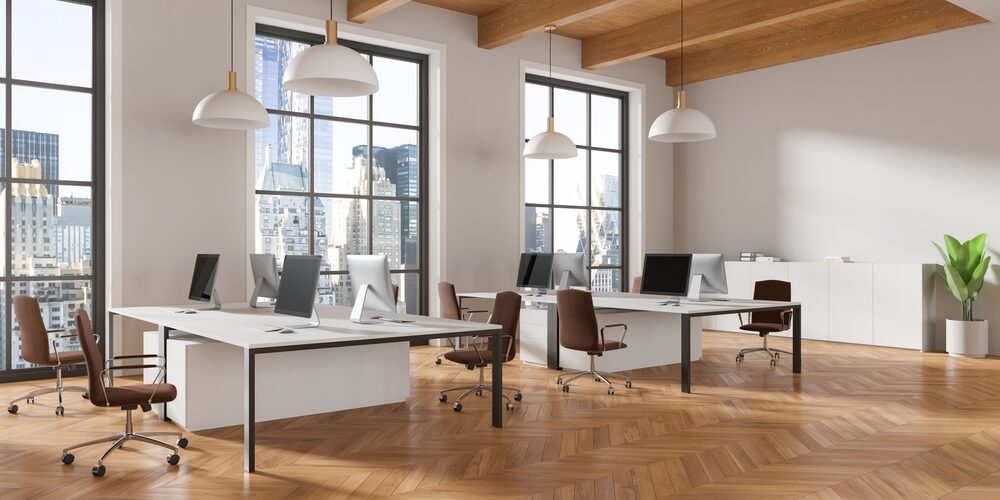
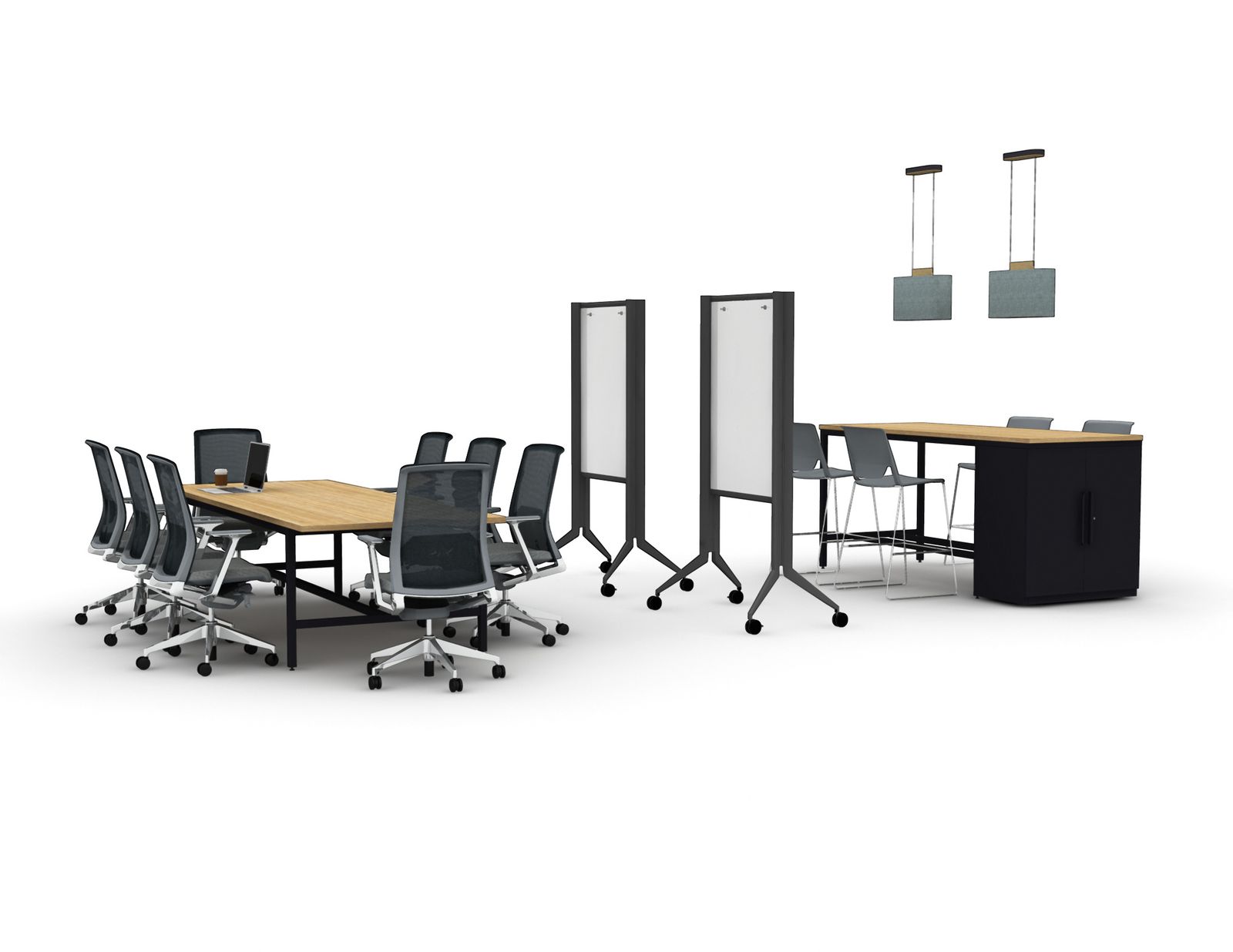
Let’s be very clear about what we’re talking about here before we get into too much detail. It’s exactly what it sounds like: fixed furniture. These are stand-alone pieces with a single function. Consider classic conference tables, credenzas, and desks that look fantastic but are only as adaptable as a two-by-four. Once your space is set up with fixed furniture, moving it around calls for a lot of strength, the potential to damage walls and floors, and probably a little creativity when you trip over that desk corner for the third time.
Modular furniture, on the other hand, is designed with change in mind. These systems use interchangeable components that connect, stack, and reconfigure without needing a forklift and three strong friends. Modular pieces snap together, pull apart, and rearrange like adult LEGO blocks, except they look professional in an office setting.
The key difference isn’t just about whether things move easily. It’s about design philosophy. Fixed furniture says “we know exactly what we need, and it’s not changing.” Modular furniture says, “we’re ready for whatever comes next.” When planning your next office upgrade, partnering with a commercial furniture supplier in Richland can help you compare modular and fixed options side by side, making it easier to choose furniture that truly fits your workspace goals.
The Case for Fixed Furniture (Yes, It Still Has One)
In our extremely flexible, frequently shifting business culture, fixed furniture is viewed negatively. The fact is, however, that traditional fixed furniture makes perfect sense for certain businesses.
When Fixed Furniture Wins
- Established businesses with stable headcount: If your company has maintained roughly the same number of employees for the past five years and you don’t anticipate major growth or contraction, why pay extra for flexibility you won’t use? A law firm with consistent staffing levels doesn’t need furniture that reconfigures weekly.
- High-end aesthetic requirements: To be honest, furniture that is fixed tends to look more impressive. Sometimes modular components can’t compete with the respect that that enormous solid wood conference table commands. Fixed furniture may provide the necessary visual impact if your office serves as a showroom for clients, where sales are directly impacted by first impressions.
- Budget constraints with long-term stability: In actuality, high-quality modular systems may be more expensive initially than good fixed furniture. Purchasing sturdy traditional pieces could help you stretch your budget if you’re tight on funds but know you won’t need to rearrange for years.
- Specific ergonomic or accessibility needs: Certain fixed furniture pieces have unique ergonomic qualities that are difficult for modular systems to match. Specialty workstations, desks with movable heights and particular mechanisms, and some executive chairs may only be available in fixed configurations.
The Hidden Costs of Fixed Furniture
Here’s where things get interesting. Fixed furniture might seem cheaper initially, but the total cost of ownership tells a different story.
When you need to reconfigure a fixed-furniture office, you’re looking at:
- Greater labor expenses for relocating bulky, heavy objects
- Possible harm to flooring, walls, and furniture while moving
- If pieces of furniture don’t fit the new arrangement, they might need to be replaced.
- Downtime during the move Costs of storage if furniture needs to be kept in storage during transitions
One mid-sized tech company learned this lesson the hard way. They outfitted their 50-person office with beautiful fixed desks and credenzas. Eighteen months later, they needed to accommodate 30 new hires. The reconfiguration cost them nearly 40% of what they’d spent on the original furniture, plus a full week of productivity lost during the move.
The Modular Revolution (And Why Everyone’s Talking About It)
With good reason, modular furniture has transitioned from a niche product to a mainstream solution. Furniture that can adapt to the rapid changes in the modern workplace no longer seems like a luxury but rather like common sense.
Where Modular Furniture Shines
- Growing companies: If you’re hiring aggressively or expect to scale up (or down) in the next few years, modular furniture is practically a no-brainer. Adding workstations for five new hires shouldn’t require a complete office redesign. With modular systems, you buy additional components and slot them into your existing layout.
- Hybrid and flexible work environments: Workplace trends such as hot desking, hoteling, and collaboration zones that can be converted into individual work areas necessitate furniture that adapts to your needs. If needed, modular furniture allows you to rearrange areas once a week to accommodate the number of guests that arrive on any given day.
- Businesses that relocate frequently: If you’re in a growth phase where you might move offices every few years, modular furniture moves with you much more easily. Components disassemble, transport efficiently, and reassemble in new spaces with different dimensions. That fixed executive desk? Good luck getting it through the doorway of your next building.
- Creative and collaborative cultures: Businesses that value cooperation and impromptu teamwork require furniture that reflects these ideals. Project-specific team spaces can be created using modular systems, which can then be rearranged at the project’s conclusion. Rather than opposing your culture, your space can truly fit it.
The Modular Learning Curve
Before investing in modular furniture, it’s important to understand that flexibility comes with a few trade-offs. While these systems offer adaptability and long-term value, they also present certain challenges that can influence cost, style, and usability. The table below breaks down the most common drawbacks of modular furniture to help you make a more informed decision.
| Challenge | Description | Key Insight |
| Initial Cost of Modular Furniture | Quality modular furniture systems often cost 15–30% more upfront than comparable fixed options. This added expense covers advanced engineering, flexibility mechanisms, and interchangeable parts. | The higher initial investment pays off in long-term adaptability and reusability. |
| Aesthetic Limitations | While modular furniture design has improved, it can still appear corporate or system-based rather than luxurious. Those seeking a traditional or “old money” aesthetic may find fixed furniture more appealing. | Modular furniture prioritizes function and flexibility over ornate design. |
| Complexity and Decision Fatigue | With countless configuration possibilities, modular furniture setup can feel overwhelming. In contrast, fixed furniture offers straightforward simplicity: choose a piece, and you’re done. | Ideal for planners who value customization, but less so for those preferring simplicity. |
| Quality Variation in Modular Systems | The booming modular furniture market includes both premium and low-quality options. Cheaper systems may feel flimsy, loosen over time, or wear out quickly. | Research and reviews are essential to finding durable, long-lasting modular pieces. |
The Hybrid Approach
Here’s something most furniture dealers won’t tell you upfront: you don’t have to choose just one approach. Many successful offices use a hybrid strategy that takes advantage of both furniture types. The typical hybrid setup looks something like this:
- Fixed furniture for permanent spaces. Reception areas, executive offices, and main conference rooms might use fixed furniture that creates impact and permanence. These are the spaces that don’t change much and where aesthetics matter most.
- Modular furniture for flexible zones. Open work areas, collaboration spaces, and team neighborhoods use modular systems that can adapt as teams shift, projects change, and headcount fluctuates.
With this hybrid strategy, you can keep flexibility where it’s needed and invest in impressive fixed pieces where they matter most. The partner offices and client-facing conference rooms of a downtown law firm may have beautiful fixed furniture, but associates and support staff who frequently move between practice areas may have modular workstations. If your company is planning an office moving in Boise, a hybrid furniture setup makes the transition smoother by combining fixed pieces for stability with modular systems that can easily adapt to your new layout.
Asking the Right Questions Before You Decide
Rather than pushing you toward one option or the other, let’s talk about the questions that will help you make the right choice for your specific situation.
Question 1: What’s Your Realistic Growth Trajectory?
Not your hopeful pitch to investors. Your realistic growth trajectory based on your actual pipeline. Modular makes sense if you’re really going to double your workforce in the next 18 months. Fixed furniture might work better for you if you’ve been the same size for years and intend to stay that way.
Question 2: How Often Do You Reorganize?
Some companies reorganize teams quarterly. Others haven’t changed their org chart in five years. Be honest about your company’s culture around change. If you’re constantly forming new project teams, breaking up departments, or experimenting with workplace strategies, modular furniture will save you countless headaches.
Question 3: What’s Your Real Estate Strategy?
Are you locked into a long-term lease in a space that perfectly fits your needs? Fixed furniture could work great. Are you in a short-term space planning to move when you grow? Month-to-month while you figure things out? Modular furniture treats moves as expected events rather than disasters.
Question 4: What’s Your Budget?
Include not just the purchase price, but your realistic budget for future reconfigurations, moves, and expansions. If you genuinely can’t stretch to afford quality modular systems upfront, fixed furniture might be your only option right now. But if you can afford the initial investment, modular often pays for itself within 3-5 years.
Question 5: Does Your Furniture Need to Impress Clients?
Be intentional here. Impressive client-facing spaces are a legitimate necessity for certain businesses. Others believe they do, but they don’t. There should be fixed furniture in at least some areas if clients frequently visit your office and base their decisions in part on its appearance. Put function above form if your clients don’t care about your furniture or don’t visit often.
The Real Cost of Getting It Wrong
Because this is more important than the initial decision, let’s discuss what happens when you make a bad decision.
- You bought fixed furniture but needed modular: You’re now spending $15,000-$30,000 every time you need to reconfigure your office. You’re delaying growth initiatives because you don’t want to deal with another furniture nightmare. Your team is crammed into inefficient layouts because it’s too expensive to fix them. This is death by a thousand compromises.
- You bought modular furniture but needed it fixed: You spent extra money on flexibility you never use. Your office might not have the high-end aesthetic you wanted for client meetings. This scenario is less painful because at least your furniture still functions perfectly well, but you definitely left money on the table.
Most businesses would rather have flexibility they don’t use than need flexibility they don’t have. But your mileage may vary.
Modular Seating: Where Sofas Join the Conversation
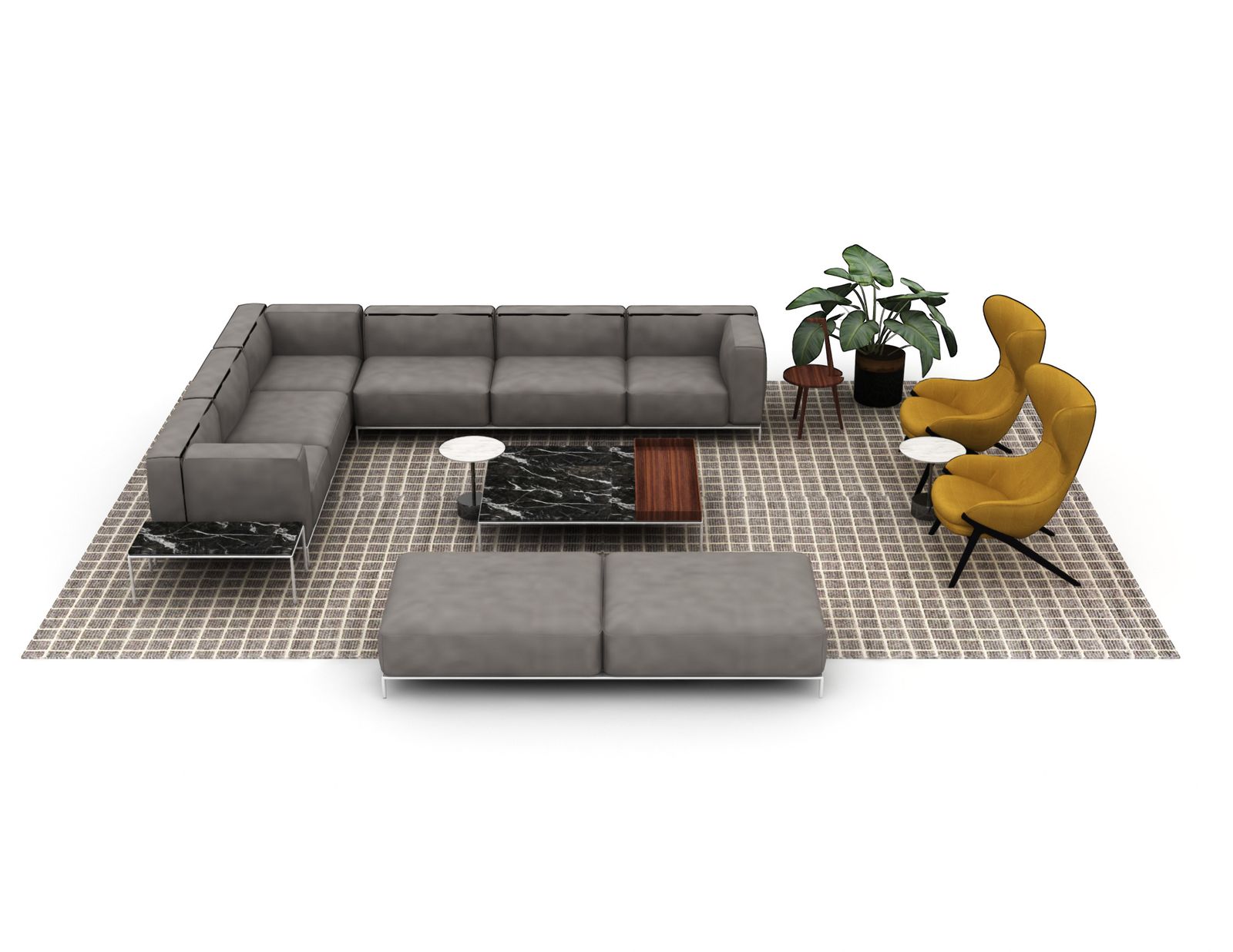
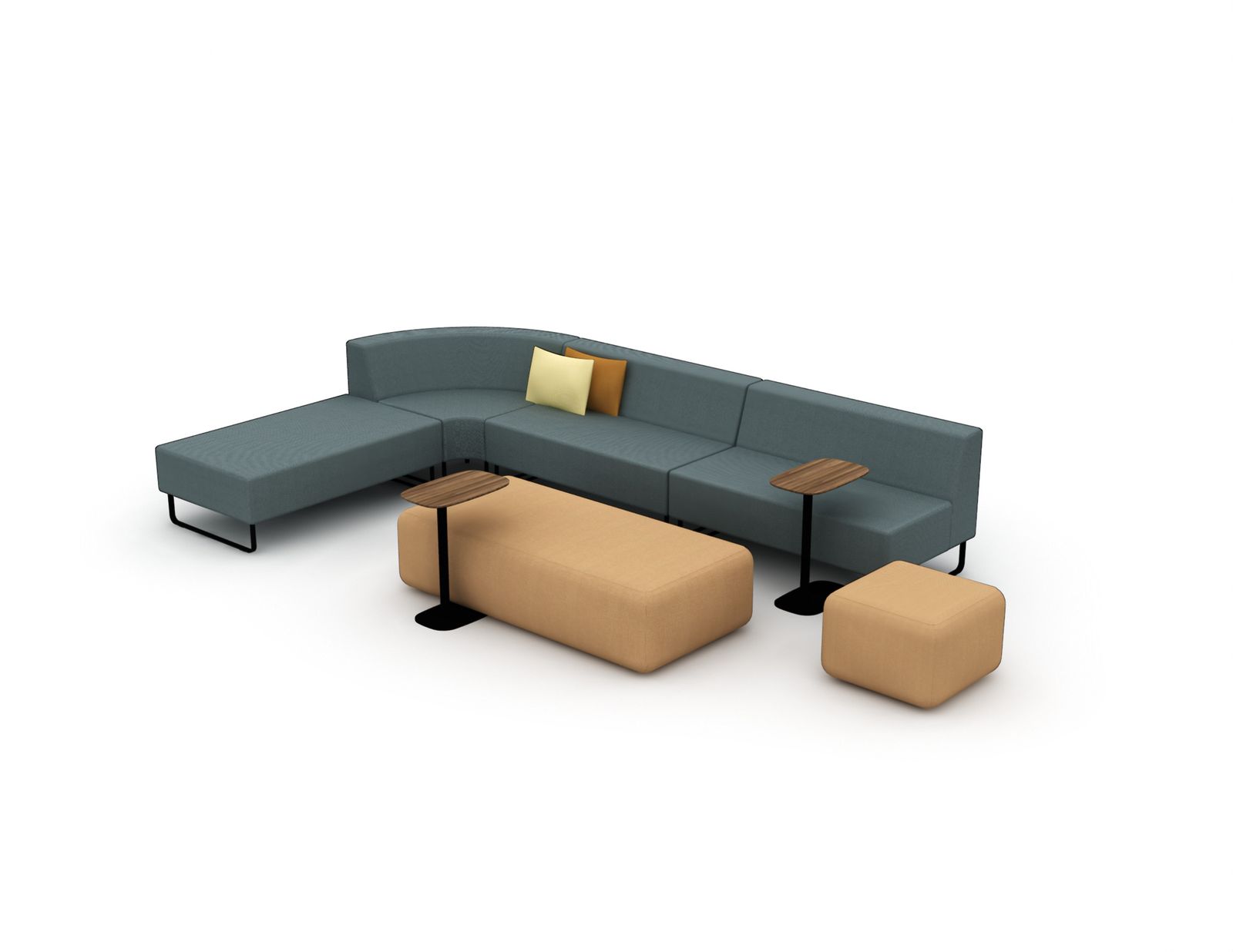
The clearest example of modular thinking is the modular sofa. A modular sectional is built from independent pieces, an armless seat, a corner, a chaise, an ottoman, that connect into an l-shaped or u-shaped seating arrangement and reconfigure the way workstations do. The best modular design lets a lounge grow one deep seat cushion at a time, with hidden storage in the ottomans if you want it.
In office lounges and living rooms alike, modular couches and sectional sofas earn their keep the same way: modular sectionals can become two smaller couches for a breakout corner, which is why sectionals dominate direct-to-consumer brands like Burrow, and modular sectional sofas with a power recline or recliner seat turn a quiet zone into genuinely usable space. Specify a customizable performance fabric, easy to clean, pet-friendly at home, tougher than chenille, and order upholstery swatches before committing; every piece of that modular seating then survives commercial traffic, while a residential couch or sofa in the same spot would need replacing within a year.
Making the Right Choice for Your Workspace
Choosing between modular and fixed furniture isn’t just about style; it’s about aligning your workspace with the way your business operates and grows. Fixed furniture reflects stability and tradition, making it ideal for established companies with consistent needs and client-facing environments. Modular furniture, on the other hand, offers adaptability, making it a smart investment for growing teams, evolving spaces, or organizations that value flexibility and collaboration.
The best approach often lies in the middle. A hybrid furniture strategy allows you to enjoy the permanence of fixed pieces in high-visibility areas while maintaining flexibility in zones that frequently change. This balance keeps your office functional, modern, and ready for what’s next.
At Freeform Spaces, we specialize in helping businesses design work environments that match their current needs and future goals. Whether you’re expanding, relocating, or simply updating your office, our team can guide you toward the right mix of modular and fixed furniture to support your growth. Contact Freeform Spaces today to explore commercial furniture solutions that adapt to your business and elevate your workspace.